
Oral surgery covers the procedures that involve working below the gum line. At Dentistry For You in Broken Arrow that means surgical extractions, impacted wisdom teeth, bone grafting and preparing a site for an implant. Sedation is available for any of it.
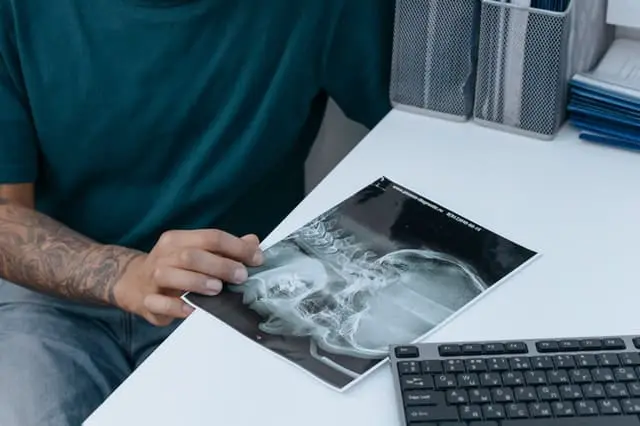
Surgical Extractions
A tooth broken off at the gum, one that has not fully come through, or one with curved roots that will not lift out in one piece needs a surgical approach.
The area is numbed, a small incision gives access, and a little bone may be removed. Often the tooth is divided into sections so each root can come out along its own path, which is gentler on the surrounding bone than forcing the whole tooth. The site is cleaned and usually stitched.
It sounds more alarming than it feels. The numbness is the same as for any extraction, and sectioning a tooth generally means less trauma rather than more.
Impacted Wisdom Teeth
An impacted wisdom tooth is stuck against bone or against the tooth in front. Some sit horizontally and never had a route through at all.
They matter because of what they do to the tooth in front. A partly erupted wisdom tooth has a gum flap over it that traps bacteria and causes repeated infections, and an impacted one can cause decay on the back surface of the neighbouring molar, a surface no toothbrush can reach.
Removing them earlier is generally easier than later, because the roots are less fully formed and the bone is more forgiving.
Nervous About Surgery?
Call the front desk and we will find you a time that works.
Bone Grafting
Bone maintains itself in response to the forces a tooth root transmits. Take the tooth away and the bone in that area gradually shrinks. After several years there can be too little left to place an implant.
A graft rebuilds that volume. Grafting material is placed in the deficient area and over several months your own bone grows into and replaces it. Only once it has matured can an implant go in, which is why an implant after a graft is a longer timeline.
There is also socket preservation, which is a small graft placed at the moment a tooth is extracted. It keeps the ridge from collapsing in the first place, and it is worth considering whenever an implant is likely later.
Sedation
Local anaesthetic handles the pain. It does not handle the anxiety, and for a lot of people that is the real obstacle.
Oral sedation and nitrous oxide are both available. Nitrous wears off within minutes, so you can drive home. Oral sedation lasts longer and you will need somebody to take you home and stay with you. Either can be combined with the surgery. The sedation dentistry page covers how each works.
Recovery
Expect swelling that peaks around the second day. An ice pack on the outside of the face, twenty minutes on and twenty off, helps for the first day, and after that warmth is more useful than cold.
Keep the clot in place: no smoking, no straws, no vigorous rinsing and no spitting for the first 24 hours. Soft food, plenty of fluids, and pain relief taken before the numbness wears off. Then gentle warm salt water rinses from the second day.
Call us if pain increases after day three, if swelling is getting worse rather than better, or if you develop a fever. Those are the signs worth acting on.
Call (918) 355-1391 or use the contact form.
Questions About Oral Surgery
Will I be asleep?+
Most oral surgery here is done with local anaesthetic, so you are awake but the area is completely numb. Oral sedation and nitrous oxide are available if you would rather be relaxed and remember less. If a case needs general anaesthetic, we will refer you.
What is a bone graft for?+
Bone shrinks where a tooth is missing, and an implant needs enough bone to anchor into. A graft rebuilds that volume. It is also placed at the time of an extraction to preserve the ridge when an implant is planned for later.
How long is the recovery?+
Swelling usually peaks around the second day and then improves. Most people take it easy for two or three days and are back to normal within a week. A bone graft needs several months to mature before an implant can go in, though you are not uncomfortable for that whole period.
Should I take time off work?+
For a straightforward surgical extraction, the rest of that day and ideally the next. For impacted wisdom teeth, two to three days is sensible, particularly if your job is physical.
Talk It Through Before You Decide
We will explain exactly what is involved, and sedation is available if you want it.